
From Pain to Progress: How Physiotherapy Scarborough Supports Recovery
- Fri Sep 11

An accident can change an ordinary morning into a completely different chapter of life. Suddenly, walking hurts, reaching for something feels difficult, and everyday routines require more effort than they once did. Even after the immediate injury has been treated, recovery can feel uncertain. Pain may linger, movement can remain restricted, and confidence in your own body may take time to return.
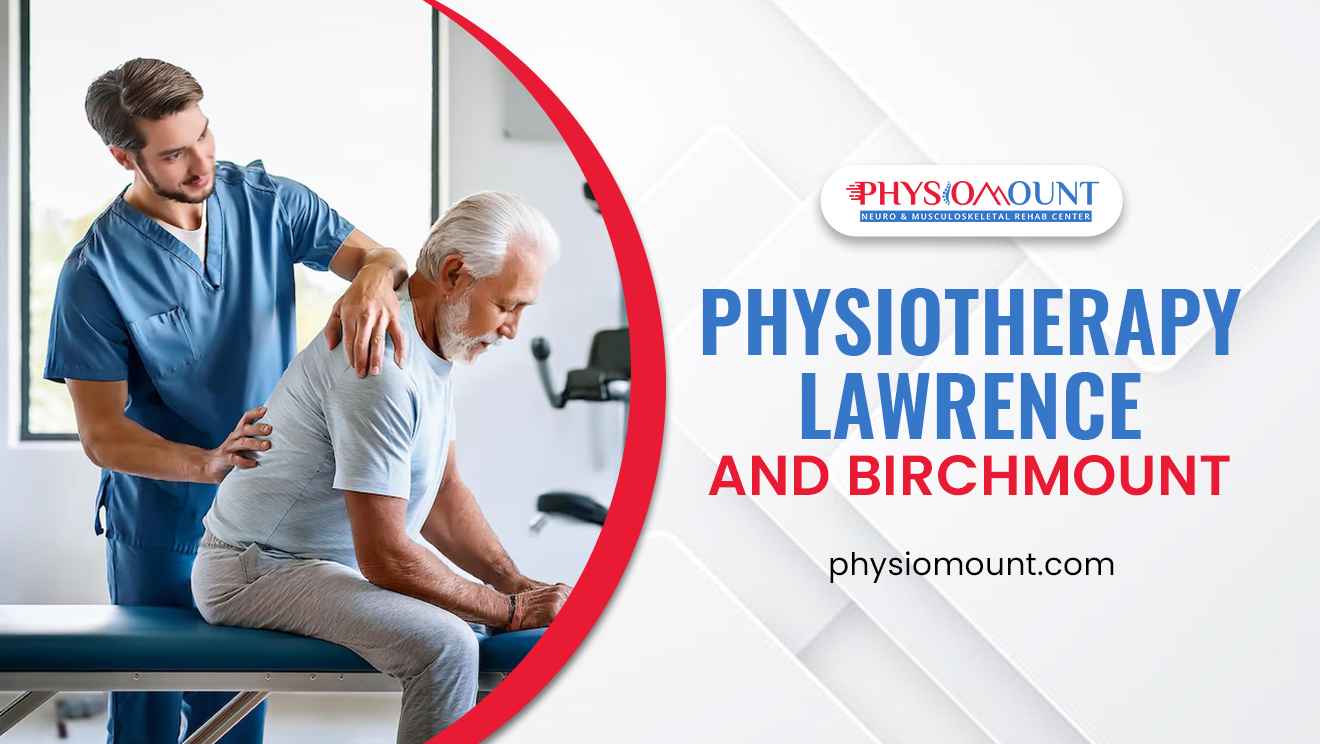
This is where our professional physiotherapy in Lawrence and Birchmount can become an important part of the recovery journey. At PhysioMount, personalized rehabilitation focuses on helping people regain movement, strength, and independence through guided care.
Physiotherapy can help ease pain and improve mobility after injury through approaches such as exercise, manual therapy, and tailored rehabilitation. The goal is not simply to feel better temporarily. It is to help you rebuild physical confidence and return to the activities that make your life feel normal again.
After an accident, it is natural to focus first on immediate pain relief. That is important, but recovery does not end when the pain becomes manageable. Injuries can affect strength, flexibility, balance, coordination, and movement patterns, sometimes in ways that are not obvious at first.
A professional assessment helps identify those limitations and creates a rehabilitation plan around your specific condition and goals. Physiotherapists use movement, exercise, manual techniques, education, and other interventions tailored to individual needs. This matters because two people can experience similar accidents but have very different recovery requirements.
Imagine two people recovering from the same type of leg injury. One may need to regain strength after a period of reduced movement. Another may struggle more with stiffness, balance, or confidence while walking.
A standard routine may not address both situations equally well. Professional physiotherapy helps turn recovery into a structured process instead of a guessing game.
Consistency matters during rehabilitation. Having access to a clinic close to home or work can make it easier to attend appointments, follow a treatment plan, and maintain momentum.
For people looking for physiotherapy in Kingston Road, convenience can be more than a matter of saving travel time. Regular attendance makes it easier for your therapist to monitor progress and adjust your program when your abilities change.
One of the biggest differences professional guidance can make is clarity. After an accident, people often wonder whether they should rest, move more, stretch, strengthen the area, or simply wait for the discomfort to disappear.
Too much activity too soon may aggravate some injuries, while excessive inactivity can contribute to weakness and stiffness. A physiotherapist can help determine appropriate exercises, progression, and activity levels based on your presentation and goals.
That structure can make recovery feel less overwhelming. Instead of asking yourself every morning whether you are improving, you have measurable steps to work towards. Your program may evolve as strength and movement improve, keeping rehabilitation challenging without making it unnecessarily complicated.
Physiotherapy guidance at PhysioMount is designed to support improvements in function, mobility, and physical capability rather than focusing only on symptoms.
Strength can change significantly after an injury, especially when pain or immobilization reduces normal activity. Muscles may become weaker, joints can become stiff, and simple tasks may feel surprisingly demanding. This can affect everything from climbing stairs to getting dressed or returning to work.
A progressive exercise program can help rebuild physical capacity gradually. Depending on the injury, rehabilitation may include strengthening exercises, mobility work, balance training, functional movements, and education about safe progression. The exercises are not simply about making muscles stronger in isolation. They are intended to help you use your body more confidently during everyday activities.
For someone recovering from a lower-limb injury, for example, the long-term objective may be walking more comfortably, improving balance, and eventually returning to work or recreation. Physiotherapy rehabilitation after injury commonly focuses on restoring movement, strength, function, and the ability to return to previous activities.
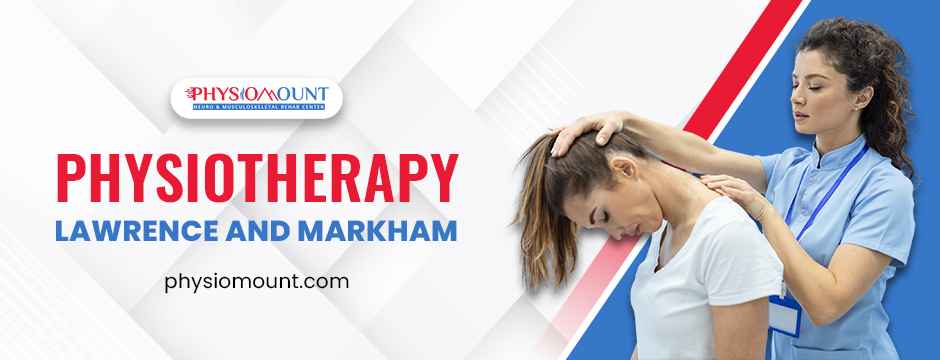
The same applies to individuals searching for physiotherapy in Lawrence and Markham or nearby rehabilitation support. Local access can help make physiotherapy a practical part of everyday life rather than something difficult to fit around an already demanding schedule.
Pain naturally receives attention after an accident. When the pain begins to decrease, many people assume recovery is complete. Unfortunately, that is not always the case.
You may still have reduced mobility, muscle weakness, altered movement patterns, or fear of using the injured area. These issues can remain even when day-to-day pain feels manageable. A comprehensive rehabilitation approach looks at how you move and function rather than using pain alone as the measure of progress.
This is particularly important after injuries that affect walking, lifting, reaching, or balance. The goal is not simply to tolerate movement. It is to gradually restore useful movement and confidence. So, if anyone wants to get back to a normal life, our quality physiotherapy in Lawrence and McCowan can be considered.
Independence can be one of the most meaningful recovery goals after an accident. Being able to get out of bed comfortably, walk around the house, return to work, drive when medically appropriate, or enjoy a favourite activity can represent huge milestones.
Professional rehabilitation works towards those real-life outcomes. Instead of focusing exclusively on isolated movements, therapists can build exercises around activities that matter to you. A person returning to a desk job may need different functional goals from someone whose work involves lifting, standing, or physical activity.
That personalized approach can make rehabilitation feel more relevant and motivating. At PhysioMount, the focus is on helping individuals regain strength, mobility, and independence through care that reflects their specific recovery needs.
Physiotherapy in Lawrence and Birchmount is not simply about exercises performed on a treatment table. A rehabilitation program may combine different techniques depending on the person's condition and response to treatment.
Manual therapy may be used as part of a broader plan to address movement restrictions or discomfort. Exercise therapy can then help build the strength, control, and physical capacity needed for longer-term progress. Electrotherapy may also be considered when clinically appropriate within an individualized treatment approach.
The important point is that these methods should support an overall rehabilitation strategy. The most effective plan is not necessarily the one with the most techniques. It is the one that matches the person's condition, goals, tolerance, and stage of recovery.
Fear of movement can be surprisingly powerful. After experiencing an accident, you may naturally become cautious about using the injured area. That caution can sometimes lead to avoiding activities that are actually part of a safe recovery process.
A professional can help you understand which movements are appropriate and how to progress gradually. Physiotherapists can address movement confidence alongside physical limitations, helping people manage pain and recover from injury through tailored movement and education.
This can create an important psychological shift. Instead of thinking, “I might hurt myself if I move,” you can begin thinking, “I know how to move safely and progressively.”
Your treatment sessions or physiotherapy in Lawrence and Birchmount are only one part of rehabilitation. What you do between appointments can have an important role in maintaining progress. Physiotherapists commonly provide exercises and advice that patients can follow outside the clinic, helping them continue building strength and function.
Consistency is more useful than doing too much at once. A sustainable routine allows your body to adapt gradually while giving you opportunities to notice changes in strength, movement, and confidence.
Following your therapist's instructions also helps you avoid turning recovery into a cycle of doing too much on a good day and resting excessively afterwards. Progress generally works better when activity is introduced thoughtfully and adjusted according to your response.
At PhysioMount, rehabilitation is built around the individual rather than a one-size-fits-all routine. Our experienced certified physiotherapists provide personalized care for neurological and musculoskeletal conditions, using techniques such as manual therapy, exercise therapy, and electrotherapy as appropriate.
Recovery is rarely a straight line. Some days feel easier than others. Professional guidance can help you understand those fluctuations and stay focused on meaningful progress rather than expecting overnight results.
An accident can temporarily change how you move, work, and live, but it does not have to define your future. With the right rehabilitation plan, professional guidance can help restore strength, improve mobility, rebuild confidence, and support a return to everyday independence. For people seeking physiotherapy in Lawrence and Birchmount, the priority should be individualized care that responds to the actual demands of recovery.
Our licenced experts at PhysioMount combine professional expertise with personalized treatment to help patients move forward with greater confidence. So, when recovery feels uncertain, having the right guidance can make the journey feel clearer, safer, and far more achievable.
1. How can physiotherapy help after an accident?
Physiotherapy in Lawrence and Birchmount can help improve mobility, strength, balance, flexibility, and physical confidence while supporting a gradual return to everyday activities.
2. When should I start physiotherapy after an accident?
The timing depends on your injury and medical condition. After appropriate medical assessment, a physiotherapist can help determine when rehabilitation should begin.
3. Can physiotherapy help with pain after an accident?
Yes. Depending on the underlying condition, physiotherapy in Lawrence and McCowan may help manage pain while addressing stiffness, weakness, restricted movement, and reduced physical function.
4. How long does accident rehabilitation take?
Recovery time varies according to the injury, severity, overall health, and individual response to treatment. Your physiotherapist can create and adjust a rehabilitation plan around your progress.
5. Why choose professional physiotherapy after an accident?
Professional guidance provides personalized assessment, appropriate exercises, and monitored progression. It can help you recover safely while working towards greater mobility and independence.