How Can A Physiotherapist Help You through Shockwave Therapy?
- Fri Oct 9

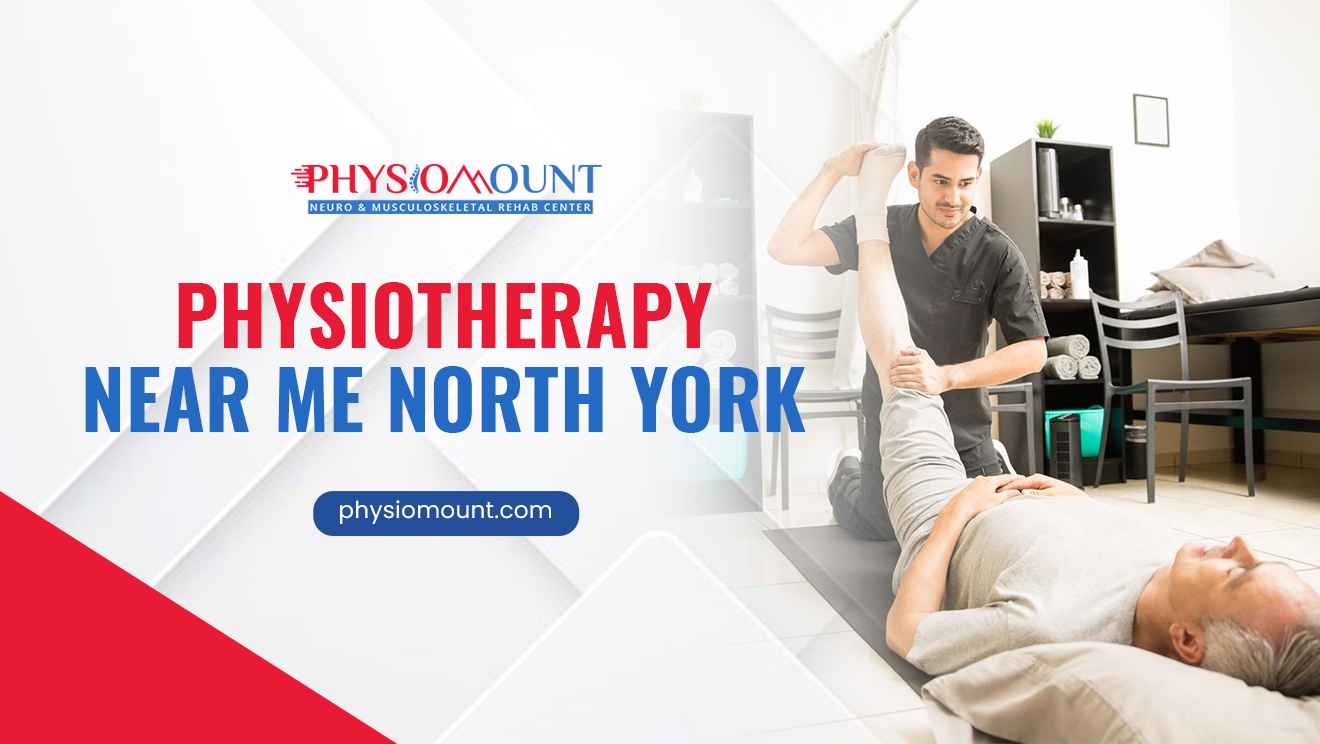
A parent watches closely as their child attempts a simple movement—reaching, stepping, or balancing. What seems effortless for others often requires immense effort here. For families navigating cerebral palsy, every small milestone carries deep meaning.
Cerebral palsy is not just a medical condition. It is a lifelong journey that affects movement, posture, and coordination. However, with the right support system, progress is always possible.
Many families begin their search with terms like physiotherapy near me North York, hoping to find a trusted place that understands their child’s needs. Physiotherapy plays a central role in helping individuals with cerebral palsy improve mobility, gain independence, and enhance overall quality of life.
This blog explores how physiotherapy supports this journey, what approaches work best, and how consistent care can create meaningful, lasting progress.
Cerebral palsy (CP) refers to a group of neurological disorders that affect muscle coordination and body movement. It is caused by damage to the developing brain, often before or during birth.
The condition varies widely from person to person. Some individuals experience mild movement challenges, while others require significant support for daily activities.
Common symptoms include:
While cerebral palsy is a lifelong condition, early and consistent intervention can significantly improve functional abilities.
For many families, the introduction to physiotherapy marks a hopeful turning point. It shifts the focus from limitations to possibilities.
Imagine a child struggling to sit upright without support. Over time, guided exercises strengthen core muscles. Gradually, the child begins to sit independently. This transformation may seem small, but it changes everything.
This is the impact of structured therapy. It focuses on improving strength, flexibility, and coordination through targeted interventions.
Families seeking physiotherapy in North York often look for programs that combine expertise with compassion. The right environment makes a significant difference in both progress and motivation.
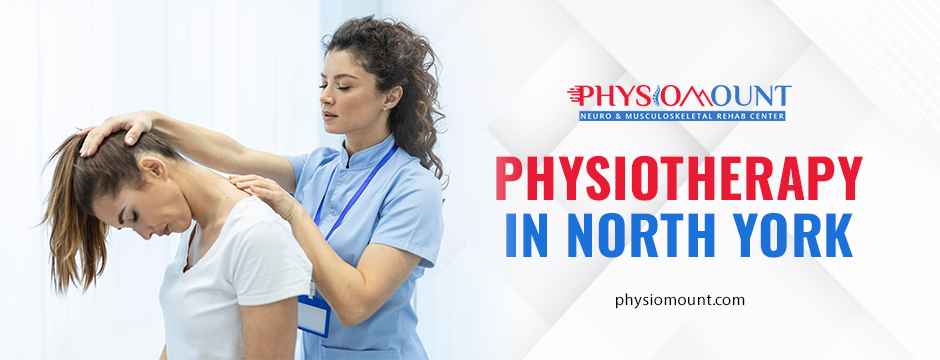
Physiotherapy does not cure cerebral palsy, but it plays a critical role in managing symptoms and improving functionality.
Children with CP often experience weak or stiff muscles. Physiotherapy includes exercises designed to build strength and improve muscle coordination.
Stronger muscles support better movement and reduce the effort required for everyday activities.
Balance is a common challenge in cerebral palsy. Therapy sessions focus on improving stability through guided movements and posture training. Better balance allows individuals to perform daily tasks with greater confidence and independence.
One of the primary goals of physiotherapy is to help individuals perform everyday activities more easily. This includes walking, sitting, standing, and transitioning between movements.
Over time, these improvements reduce dependency and enhance quality of life.
Without proper intervention, cerebral palsy can lead to joint stiffness, muscle contractures, and deformities. Regular physiotherapy helps prevent these complications by maintaining flexibility and proper alignment.
Modern physiotherapy uses a combination of techniques tailored to each individual’s needs.
This approach focuses on improving movement patterns and posture. Therapists guide patients through controlled movements to develop better motor skills.
Targeted exercises help build muscle strength and improve endurance. These exercises are adapted based on the individual’s ability level.
Stretching reduces muscle tightness and improves range of motion. This is especially important for individuals with spasticity.
For individuals who can walk, gait training helps improve walking patterns and efficiency. It may involve assistive devices or specialized equipment.
Therapists focus on real-life movements such as sitting, standing, and reaching. This makes therapy practical and directly applicable to daily life.
Timing plays a crucial role in managing cerebral palsy. Early intervention leads to better outcomes by addressing challenges before they become severe.
When therapy begins at a young age, the brain’s adaptability allows for improved motor learning. This helps children develop essential skills more effectively.
Parents who explore physiotherapy near me North York early often notice significant improvements in their child’s development over time.
Cerebral palsy affects more than just physical abilities. It impacts emotional well-being, confidence, and social interaction.
Children may feel frustrated when they struggle with movements that others perform easily. This is where supportive therapy environments become essential.
Our professional physiotherapy sessions in North York often include encouragement, positive reinforcement, and goal setting. These elements build confidence and motivate individuals to keep progressing.
Families also benefit from guidance and reassurance, helping them navigate challenges with greater clarity and support.
PhysioMount approaches rehabilitation with a deep understanding of both physical and emotional needs. The focus goes beyond routine therapy sessions to create meaningful, personalized care plans.
Each individual receives tailored treatment based on their condition, goals, and progress. This ensures that therapy remains effective and engaging.
Our team emphasizes a collaborative approach, involving families in the process. This creates a supportive environment where progress feels achievable and consistent. Therefore, by combining expertise in neuro and musculoskeletal rehabilitation, PhysioMount helps individuals build strength, improve mobility, and gain confidence in their abilities.
Understanding the therapy process helps reduce uncertainty and builds trust.
The therapist evaluates movement patterns, muscle strength, and functional abilities. This forms the foundation for a personalized treatment plan.
Clear, achievable goals are established based on the individual’s needs. These goals guide the therapy process.
Sessions include a mix of exercises, guided movements, and functional training. Activities are designed to be engaging and effective.
Regular assessments track improvements and adjust the treatment plan as needed. This ensures continuous progress.
Consistency is key to achieving the best outcomes. Families play an important role in supporting therapy beyond clinic sessions.
These simple steps reinforce therapy efforts and contribute to long-term success.
The path to progress is not always smooth. There may be setbacks, slow progress, or moments of frustration.
However, these challenges are part of the journey. With consistent effort and the right support, improvements continue over time.
Therapists help families navigate these challenges by adjusting strategies and maintaining realistic expectations.
Patience and persistence remain essential throughout the process.
The quality of care significantly influences outcomes. A well-equipped and experienced center provides better support and guidance.
Families searching for physiotherapy in North York should look for:
Choosing the right center ensures a more effective and positive therapy experience.
Consistent physiotherapy delivers benefits that extend far beyond physical improvements.
Cerebral palsy presents unique challenges, but it also opens the door to meaningful progress through the right support system. Physiotherapy plays a vital role in helping individuals build strength, improve mobility, and achieve greater independence.
For families searching for physiotherapy near me in North York, finding the appropriate center can make a transformative difference. With expert care, personalized treatment, and consistent effort, every small step forward becomes a powerful milestone. At PhysioMount, the focus remains on empowering individuals to move better, live stronger, and embrace their journey with confidence.