How Can A Physiotherapist Help You through Shockwave Therapy?
- Fri Oct 9

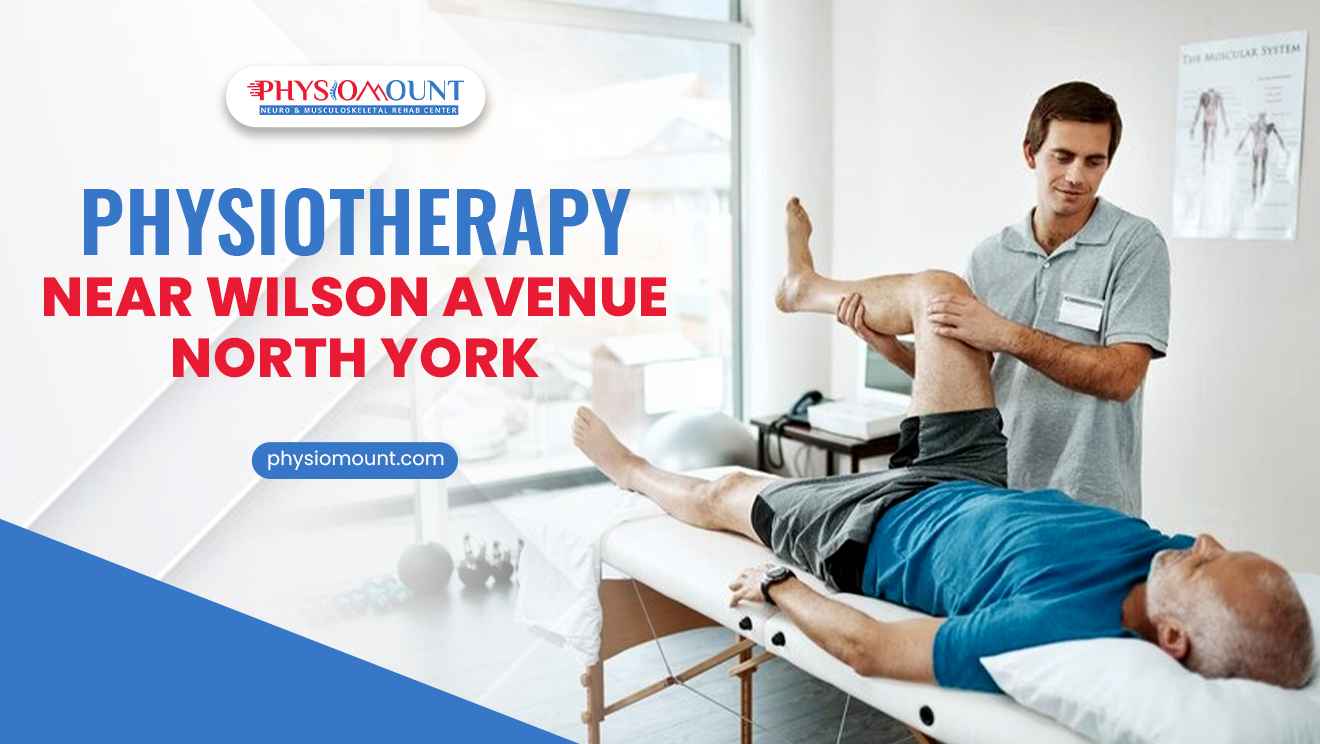
Musculoskeletal discomfort can quietly change the way you live. A stiff neck may make working at your desk uncomfortable, while persistent back pain can affect sleep, exercise, and everyday mobility. Even a minor injury can become frustrating when it prevents you from enjoying your usual activities. Therefore, seeking physiotherapy near Wilson Avenue North York is a practical first step toward understanding these problems and finding an appropriate recovery plan.
Professional physiotherapy focuses on improving movement, managing pain, restoring strength, and helping people return to daily activities safely. At Physiomount, personalized rehabilitation supports individuals experiencing musculoskeletal challenges.
With our professional guidance and an approach tailored to your needs, you can work towards better movement, improved physical function, and greater confidence in everyday life.
Your musculoskeletal system includes your muscles, bones, joints, tendons, ligaments, and other connective tissues. Together, these structures support your body, protect important organs, and allow you to move.
When one or more structures become irritated, injured, or weakened, even ordinary activities can feel difficult. Walking upstairs, carrying groceries, sitting through a meeting, or reaching overhead may suddenly require extra effort.
Musculoskeletal problems can develop for several reasons, including:
Not every ache indicates a serious condition. However, recurring discomfort, restricted movement, or persistent weakness deserves attention. A qualified physiotherapist can assess your movement and help determine an appropriate rehabilitation approach.
Many people wait until discomfort interferes significantly with daily life before seeking professional help. Unfortunately, this can mean spending weeks adjusting activities without understanding the underlying problem.
Physiotherapy may help when pain, stiffness, weakness, or limited mobility begins affecting your routine. It can also support recovery after certain injuries, surgeries, or periods of reduced physical activity.
Consider seeking an assessment if you experience:
If you are searching for physiotherapy near Wilson Avenue North York, consider choosing a provider who evaluates your individual needs rather than relying on a generic exercise routine.
A professional assessment can help identify movement limitations, establish realistic goals, and determine whether physiotherapy is suitable for your condition. Sudden severe pain, major injuries, or new neurological symptoms may require urgent medical assessment instead.
Effective physiotherapy begins with understanding your symptoms, physical abilities, medical history, and personal goals. Your physiotherapist may ask when the discomfort started, which movements make it worse, and how it affects your daily routine.
The assessment may include checking your posture, joint movement, muscle strength, flexibility, balance, and functional mobility. These findings help guide treatment decisions and establish a baseline for measuring progress.
For example, recurring shoulder discomfort might involve restricted movement, muscle weakness, or difficulties with specific activities. An assessment helps determine which factors require attention instead of treating every shoulder problem identically.
If you need physiotherapy near Wilson Avenue North York, look for an approach that considers your overall movement patterns and individual recovery goals. Your treatment plan should be explained clearly, with opportunities to ask questions and discuss your preferences.
Physiotherapy combines different approaches depending on your condition, symptoms, and functional goals. Your physiotherapist may adjust these techniques as your strength, mobility, and tolerance for activity improve.
Common approaches include:
These approaches are often most useful when combined into an individualized plan. Your physiotherapist should also explain which techniques are appropriate and how they support your recovery goals. People travelling through the Yonge Street corridor may prefer physiotherapy near Yonge Street North York.
Imagine spending several hours at a desk every day and regularly experiencing neck stiffness. Occasional treatment might provide temporary relief, but your daily habits could continue contributing to discomfort.
A personalized exercise programme can help address relevant movement limitations while encouraging healthier routines. Your physiotherapist may recommend mobility exercises, strengthening activities, regular movement breaks, or adjustments to your workstation.
The goal is to help you apply what you learn during treatment to everyday life.
When seeking physiotherapy near Wilson Avenue North York, ask how your treatment plan will support independent progress between appointments. Understanding your exercises and performing them correctly can help you participate actively in rehabilitation.
Remember that exercises should match your current abilities. Avoid pushing through severe or worsening pain, and consult your physiotherapist if an activity aggravates your symptoms.
Convenience can make it easier to maintain a consistent rehabilitation routine. Choosing a clinic that fits your travel route, work schedule, and personal commitments may help you attend appointments regularly.
If you live or work near Bayview Avenue, exploring physiotherapy near Bayview Avenue North York may help you identify convenient options.
Beyond location, consider the physiotherapist's qualifications, communication style, assessment process, and experience with your concerns. Ask about treatment options, appointment availability, and how progress will be reviewed.
For those considering the best physiotherapy, the right choice should balance accessibility with personalized, professional care.
Your recovery does not stop when an appointment ends. Consistent habits can complement professional guidance and help you work towards your rehabilitation goals.
Consider these practical steps:
Progress can vary depending on your condition, general health, and treatment needs. Your physiotherapist can help you recognize meaningful improvements and identify when your plan needs adjustment.
Better musculoskeletal health begins with understanding your body and addressing movement difficulties before they unnecessarily limit your life. Professional guidance can help you manage symptoms, improve strength, restore mobility, and build practical habits for everyday activities.
If you are considering physiotherapy near Wilson Avenue North York, PhysioMount offers a starting point for exploring personalized rehabilitation and movement-focused care. With appropriate assessment, realistic goals, and consistent participation, you can work towards greater physical confidence and improved daily function.
Your recovery journey should reflect your individual needs, abilities, and priorities.
1. What musculoskeletal conditions can physiotherapy help manage?
Physiotherapy near Wilson Avenue North York may help manage back and neck pain, joint stiffness, muscle strains, sports injuries, mobility limitations, and recovery following certain surgeries.
2. When should I consult a physiotherapist for muscle or joint pain?
Consider an assessment when pain persists, movement becomes restricted, or symptoms interfere with daily activities. Severe or sudden symptoms may require urgent medical attention.
3. What happens during an initial physiotherapy assessment?
A physiotherapist reviews your symptoms and medical history, assesses relevant movements and physical function, and develops a treatment plan based on your needs and goals.
4. How often should I attend physiotherapy sessions?
Appointment frequency depends on your condition, recovery goals, symptoms, and response to treatment. Your physiotherapist can recommend a suitable schedule and review it as you progress.
5. How can I find suitable physiotherapy near Wilson Avenue in North York?
Look for qualified physiotherapists who provide individualized assessments, explain treatment options clearly, and develop rehabilitation plans around your symptoms, lifestyle, and recovery goals.