
Spinal discomfort can affect everyday activities, from sitting at work to walking or sleeping comfortably. Physiomount provides personalized rehabilitation support for people experiencing selected spinal and nerve-related conditions.
Our approach to Decompression Therapy in North York focuses on individual assessment and controlled treatment. We consider your symptoms, movement limitations, and rehabilitation needs before recommending an appropriate care plan.
Decompression therapy is a treatment approach designed to reduce pressure around spinal structures. It may be considered when disc changes or other spinal conditions contribute to nerve irritation and discomfort.
During treatment, a patient rests on a specialized electronic table. The system applies controlled, adjustable traction to the targeted spinal area. This creates a gentle stretching effect that may help modify spinal loading and ease symptoms in suitable cases.
At Physiomount, Decompression Therapy in North York can be considered as part of a broader rehabilitation plan. Its suitability depends on your condition and clinical assessment.
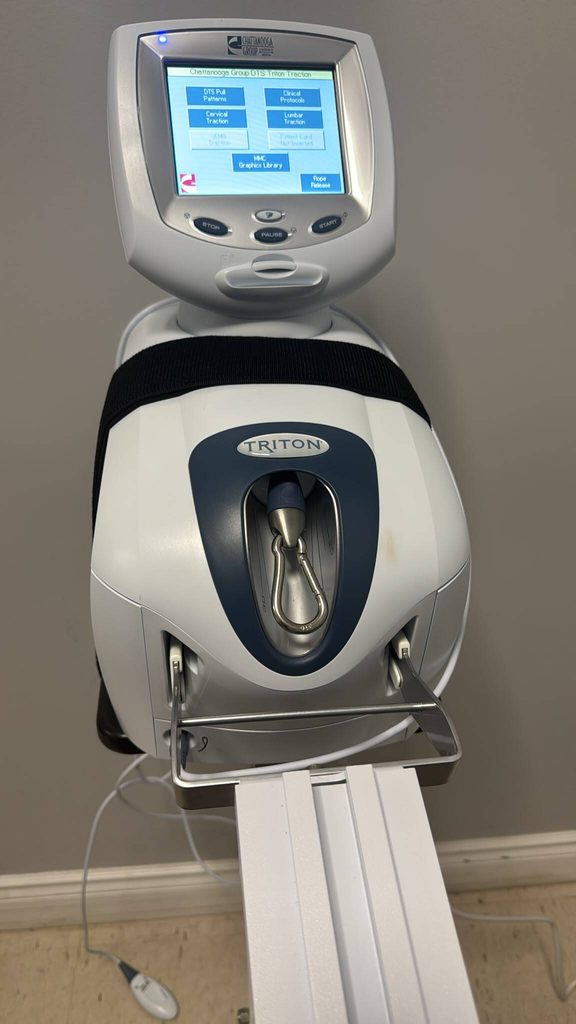
Controlled spinal traction may help reduce discomfort associated with selected disc-related and nerve-related conditions.
Managing spinal symptoms may make everyday movements more comfortable. Your physiotherapist can also guide exercises that support mobility.
Some patients experience pain, tingling, or discomfort that travels into their arms or legs. Decompression may be considered when spinal pressure contributes to these symptoms.
For suitable patients, decompression therapy provides a non-surgical approach to symptom management. It does not replace medical or surgical care when those interventions are necessary.
Decompression may be combined with therapeutic exercises, manual techniques, and movement education. This helps address functional limitations alongside pain.
The treatment uses carefully controlled traction to apply gentle forces to a selected spinal region. The amount and pattern of traction depend on individual tolerance and clinical needs.
A typical treatment approach may involve:
The purpose is to modify pressure and loading around spinal structures. Individual responses vary, so treatment is adjusted according to clinical findings.
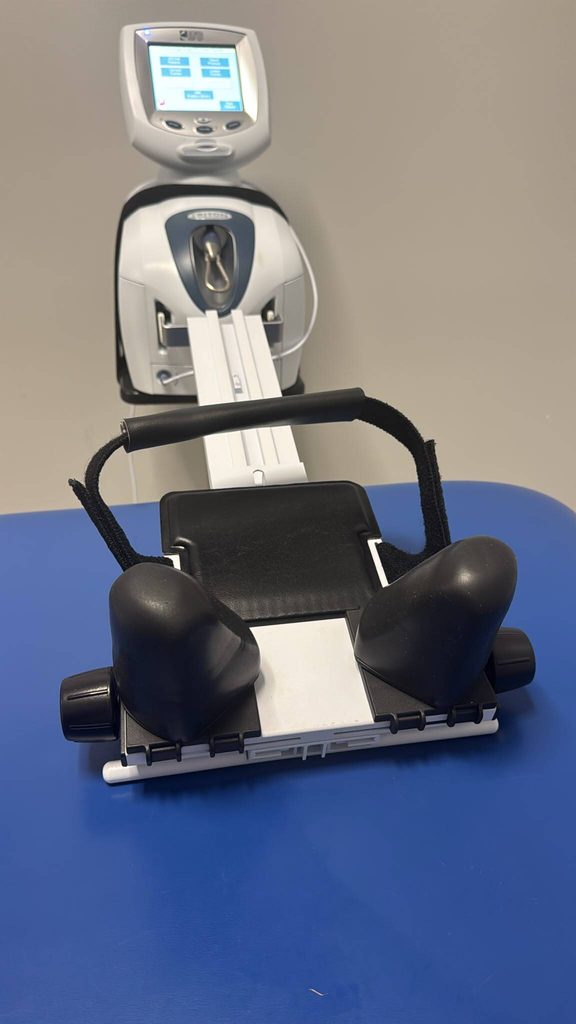
Traction therapy applies a controlled pulling force to selected body structures. Spinal decompression uses specialized traction techniques to target specific spinal regions.
Traction Therapy in North York may be considered for selected spinal conditions involving discomfort, restricted movement, or nerve irritation.
At Physiomount, our physiotherapists determine whether traction-based treatment is appropriate through individual assessment and clinical judgment.
The location of spinal symptoms helps determine which region requires assessment. Different areas of the spine can contribute to different movement and nerve-related concerns.
The cervical spine forms the neck and contains seven vertebrae. Problems in this region may contribute to neck discomfort or symptoms extending towards the shoulders and arms. Cervical Decompression Therapy in North York may be considered for selected cervical conditions following assessment.
The thoracic spine forms the middle portion of the back and connects with the rib cage. Stiffness or discomfort in this region can affect upper-body movement. Thoracic Decompression Therapy in North York requires an individual evaluation to establish whether decompression is appropriate.
The lumbar spine supports much of the body’s weight and contains five vertebrae. Disc-related changes or nerve irritation here may contribute to lower back pain and sciatica. Lumbar Decompression Therapy in North York may be considered for suitable lower-back conditions.
Certain spinal conditions can involve pressure or irritation around nearby nerves. A physiotherapist must assess your symptoms before recommending decompression as part of treatment.
Conditions that may warrant evaluation include:
Decompression is not appropriate for every condition or patient. A thorough assessment helps determine whether this approach suits your needs.
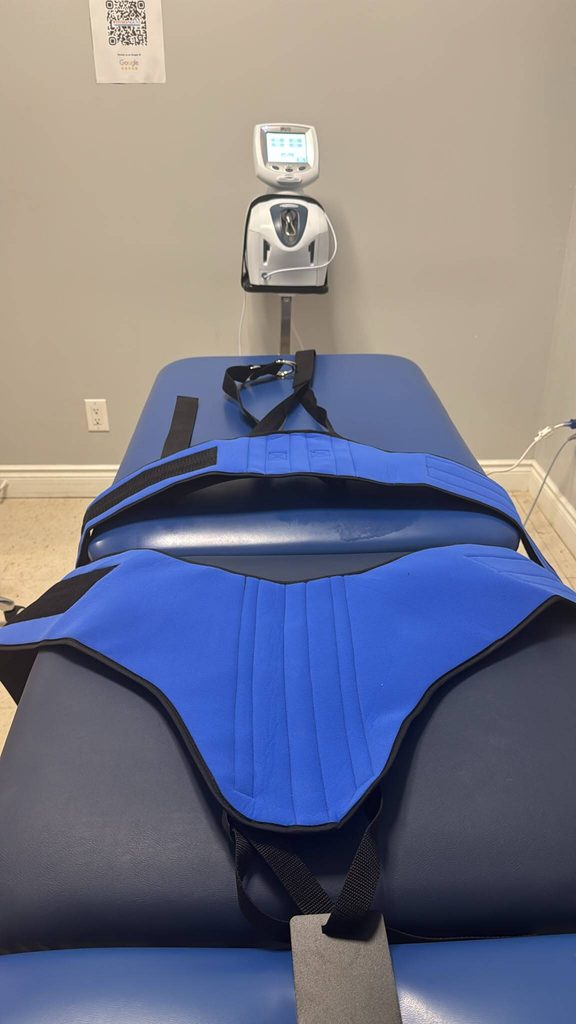
Understanding the treatment process can make your first appointment more comfortable. Your physiotherapist will explain each stage and address any concerns.
Treatment settings and session plans vary between individuals. Certain conditions, including pregnancy, severe osteoporosis, fractures, or significant spinal instability, may require avoiding decompression. Your clinician will review relevant precautions before treatment.
Managing spinal discomfort often requires more than addressing symptoms during individual sessions. Rehabilitation can help improve strength, movement control, and confidence with everyday activities.
Depending on your assessment, your care plan may include:
At Physiomount, Decompression Therapy in North York can form one part of a coordinated physiotherapy approach. Treatment recommendations remain specific to your condition and progress.
Persistent back or neck discomfort can make ordinary routines challenging. The right treatment plan starts with understanding the cause of your symptoms and identifying suitable options.
Physiomount offers personalized physiotherapy and rehabilitation for neurological and musculoskeletal conditions. Contact our team to discuss your concerns and explore whether Decompression Therapy in North York may suit your rehabilitation needs.
Decompression therapy may help manage selected spinal conditions involving disc-related pressure or nerve irritation.
No. Your medical history, spinal condition, and clinical findings determine whether this treatment is appropriate.
Our Decompression Therapy in North York may be considered when sciatica is associated with certain spinal conditions. A clinical assessment is necessary first.
Traction uses controlled pulling forces, while spinal decompression describes approaches intended to reduce pressure around spinal structures.
Selected cervical conditions may be assessed for decompression. The treatment decision depends on the cause and severity of symptoms.
The treatment generally uses controlled, adjustable forces. Inform your physiotherapist immediately if you experience discomfort.
The number of sessions varies according to your condition, response, and overall rehabilitation plan.
Yes, suitable patients may receive decompression alongside exercises, manual therapy, and other rehabilitation approaches.
Yes. Pregnancy, severe osteoporosis, fractures, and certain spinal conditions may make treatment unsuitable. Always share your medical history.
Arrange a physiotherapy assessment to review your symptoms, medical history, and available treatment options.