Advanced Techniques in Modern Physiotherapy Bathurst And Sheppard
- Fri Feb 27

Safely Return to Play
Athletes constantly push their bodies, and this intense physical demand often leads to injuries that interrupt training and competitive performance. However, physiotherapy in North York offers structured healing support that helps athletes regain strength, mobility, and confidence.
Moreover, physiotherapy at PhysioMount uses evidence-based techniques that enhance tissue recovery while preventing long-term complications. Consequently, athletes receive a safer and faster route back to their preferred sport.
This blog explores how physiotherapy accelerates healing and ensures a safe return to play through targeted strategies and holistic rehabilitation pathways.
Athletic injuries disrupt more than movement because they affect an athlete’s rhythm, mindset, and competitive readiness. Physiotherapy bridges these gaps through tailored rehabilitation programs that address injury severity and sport-specific demands.
Additionally, physiotherapists work closely with athletes to understand their routines and performance goals. This personalized approach encourages effective recovery and minimizes risks associated with early return.
As a result, athletes receive structured support throughout every rehabilitation stage.
Physiotherapy speedily restores physical function by focusing on targeted muscle activation and progressive load training. Moreover, physiotherapists apply advanced manual techniques that stimulate tissue repair and enhance circulation.
This improves natural healing responses and reduces downtime significantly. Importantly, physiotherapy adopts a preventive outlook by correcting biomechanical issues that may affect long-term athletic performance.
This comprehensive model encourages sustainable recovery and reduces repeat injuries. So, visit the best physiotherapy near me.
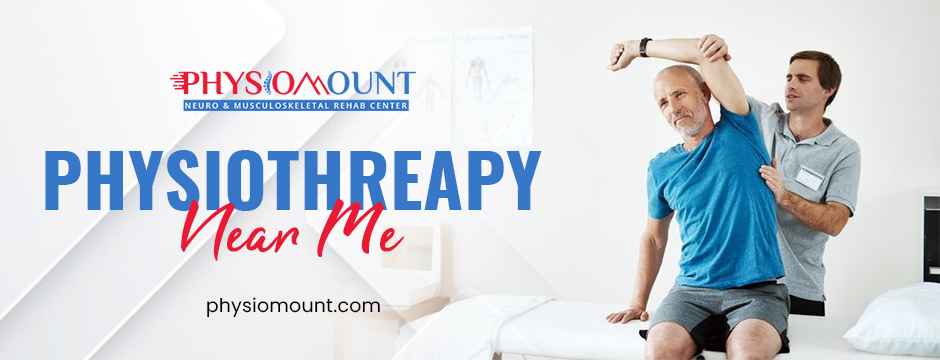
Pain often disrupts healing because it limits movement and reduces confidence. Physiotherapists use proven techniques that reduce inflammation and soften tension effectively.
These may include:
These methods enhance circulation, decrease swelling, and promote natural pain modulation or pain management. Therefore, athletes experience greater comfort during the early rehabilitation stages.
Limited mobility restricts training capacity and increases injury risks. Physiotherapists guide athletes through controlled stretching routines that safely restore joint range.
Additionally, they focus on sport-specific mobility requirements to ensure complete functional readiness. This tailored mobility training supports smoother transitions from rest to active performance without overloading healing tissues.
Strength plays a decisive role in athletic performance and injury resistance. Physiotherapists create progressive strength programs that target weakened muscles and stabilize affected joints.
Moreover, they maintain balance between strength development and injury protection by gradually increasing loads as tissues recover. This structured progression minimizes reinjury risks and supports long-term athletic resilience.
After injury, athletes may struggle with balance, coordination, or timing. Physiotherapy in North York retrains these neuromuscular patterns through advanced exercises that mimic real game movements.
These exercises may involve agility drills, proprioceptive training, and controlled plyometric routines. Therefore, athletes regain their natural movement fluency and prevent compensatory patterns that often cause recurring injuries.
Confidence plays a vital role in returning to play safely. Physiotherapists encourage mental preparedness by explaining healing progress and demonstrating safe movement patterns.
This psychological support reduces fear of movement and helps athletes trust their bodies again. Consequently, athletes reenter the field with greater assurance and reduced anxiety.
The return-to-play journey begins with a detailed assessment that evaluates injury severity and movement limitations.
Physiotherapists generally use diagnostic tools and functional tests to understand healing progress accurately. This ensures every rehabilitation phase begins at the correct intensity. It prevents premature load that may damage healing tissues.
No two athletes heal the same way because everybody adapts differently. Physiotherapists design personalized rehabilitation plans that align with healing timelines and sport-specific needs.
This individualized approach in physiotherapy in North York allows safer progression while maintaining competitive readiness. Additionally, athletes receive targeted guidance that supports efficient performance restoration.
Returning to competition requires more than basic strength or flexibility. Physiotherapists introduce sport-specific exercises that replicate game movements and performance demands.
These training strategies sharpen an athlete’s readiness and build muscular endurance for intense sessions. Therefore, athletes return to play with functional competence and lower reinjury risks.
Managing training loads is essential for preventing setbacks. Physiotherapists monitor performance indicators like strength, balance, and endurance during rehabilitation.
This data-driven approach highlights improvements and reveals areas needing additional attention. Consequently, athletes progress confidently and avoid overtraining while healing.
Physiotherapy incorporates standardized return-to-play assessments that measure readiness objectively. These tests evaluate movement quality, joint stability, reaction speed, and strength.
Only after meeting these benchmarks do physiotherapists recommend returning to competitive play. This structured process safeguards athletes from premature return and reduces long-term injury risk.
Manual therapy improves blood circulation, releases muscle tension, and enhances joint mobility. These benefits accelerate healing and prepare athletes for progressive loading.
Cryotherapy reduces inflammation during early healing phases, while heat therapy softens tissues for mobility restoration. Physiotherapy in North York under expert guidance alternates between both modes based on recovery needs.
Kinesio taping supports injured muscles and joints without restricting movement. Additionally, it encourages efficient biomechanics during rehabilitation exercises.
Physiotherapists collaborate with strength coaches to merge injury recovery with performance optimization. Hence, this unified approach removes performance gaps that may hinder competitive return.
Hydrotherapy provides low-impact strengthening for athletes recovering from weight-bearing injuries. Water resistance builds muscle without excessive strain, promoting smoother healing.
Physiotherapy also focuses on long-term protection through preventive care strategies. These include correcting posture, improving form, and enhancing muscle balance.
Moreover, physiotherapists educate athletes on warm-up routines, recovery practices, and load distribution. This knowledge empowers athletes to maintain peak performance while avoiding future injuries.
Preventive physiotherapy, therefore, becomes an essential part of every athlete’s training ecosystem.
Athletes often feel pressured to return quickly, but physiotherapy ensures smarter and safer decisions. Structured rehabilitation prevents setbacks, while advanced techniques accelerate tissue recovery.
Comprehensive testing confirms readiness, giving athletes complete assurance before returning to competition. Additionally, physiotherapy supports long-term performance stability by enhancing movement efficiency and reducing future injury risks.
This combination of safety and performance optimization highlights physiotherapy as a cornerstone for modern athletic recovery.
Physiotherapy offers a powerful blend of science, strategy, and personalized care that supports athletes through injury challenges.
It accelerates healing through targeted interventions while ensuring safer return-to-play decisions. In addition to that, physiotherapy in North York by professionals enhances physical performance, mental readiness, and movement efficiency to help athletes thrive long after recovery. For athletes seeking a reliable path back to sport, physiotherapy remains the most trusted and effective avenue for sustainable performance restoration. So, if you’re struggling with sports-related injuries, book an appointment at PhysioMount.