Advanced Techniques in Modern Physiotherapy Bathurst And Sheppard
- Fri Feb 27

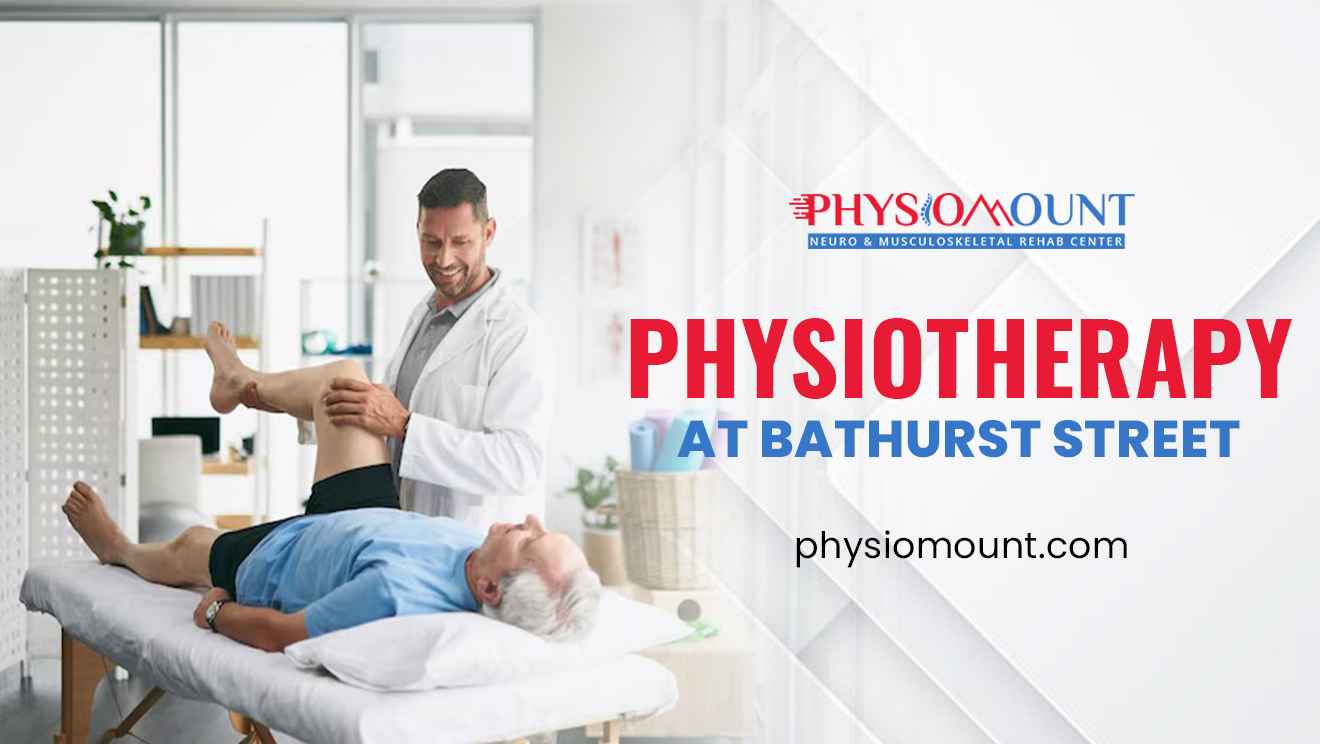
Ageing changes the body in ways that often go unnoticed until daily tasks become difficult. Simple actions like walking steadily, standing up from a chair, or reaching overhead may start feeling unsafe. For elders, this gradual loss of physical ease often leads to fear, reduced activity, and dependence on others. Families worry about falls, stiffness, and declining confidence. Our physiotherapy at Bathurst Street addresses these challenges in a structured and supportive way.
It focuses on restoring movement, improving balance, and managing pain through guided exercises and personalized care. Most importantly, physiotherapy in PhysioMount helps elders preserve independence, maintain dignity, and continue living actively within their own homes and communities.
Independence is not only about physical ability; it is closely tied to emotional well-being and self-worth. Elders who remain mobile and self-reliant often experience better mental health and stronger social connections.
So, when movement becomes limited, isolation and frustration can follow. Physiotherapy plays a preventive and restorative role by strengthening the body and building confidence in movement. Instead of reacting only after injuries occur, physiotherapy helps elders stay ahead of mobility decline.
This proactive approach supports long-term independence while reducing the need for constant assistance or medical intervention.
Age-related physical changes impact mobility, stability, and endurance. Physiotherapy begins by identifying these challenges and addressing them through targeted treatment plans.
Muscle strength naturally decreases with age, affecting posture, walking speed, and stamina. Weak muscles make daily activities tiring and increase fall risk. The best physiotherapy North York focuses on progressive strength training to rebuild muscle function safely.
Exercises are paced carefully to avoid strain while improving endurance over time. Stronger muscles support joints better and allow elders to move with greater ease and confidence.
Joint stiffness, often caused by arthritis or reduced lubrication, restricts movement and causes discomfort. Limited mobility discourages activity, creating a cycle of further stiffness.
Physiotherapists at PhysioMount use mobility exercises, stretching routines, and manual techniques to improve joint flexibility. Restoring range of motion helps elders perform daily tasks comfortably and reduces dependence on others.
Ageing affects balance systems, reaction time, and coordination. These changes increase fall risk and fear of movement.
Physiotherapy includes balance and coordination exercises that retrain the body’s stability mechanisms. With consistent practice, elders gain better body awareness and control, allowing safer movement across different environments.
Physiotherapy is designed around functional movement, helping elders perform everyday activities safely and independently.
Walking difficulties often result from muscle weakness, joint pain, or poor alignment. Physiotherapists assess gait patterns and correct inefficient movements.
Through targeted exercises and posture adjustments, walking becomes smoother and more stable. Improved gait reduces fall risk and allows elders to remain active both indoors and outdoors.
Poor posture places unnecessary strain on muscles and joints, leading to fatigue and discomfort. The best physiotherapystrengthens core and back muscles that support proper alignment. Better posture improves balance, breathing, and overall comfort.
Elders who maintain good posture move more efficiently and experience less pain during daily activities.
Physiotherapy in PhysioMount focuses on movements that elders use every day, such as standing, sitting, bending, and reaching. Functional training mimics real-life tasks to build practical strength and coordination.
Hence, this approach helps elders perform household activities safely. Thus, it reduces reliance on caregivers and assistive devices.
Generally, chronic pain often discourages elders from staying active. Physiotherapy at Bathurst Street offers effective pain management strategies without overdependence on medication.
Hands-on techniques relieve muscle tension, improve circulation, and reduce stiffness. These methods address pain at its source rather than masking symptoms. Regular manual therapy helps elders move more freely and comfortably.
Targeted exercises strengthen supportive muscles and reduce stress on joints.
Over time, this leads to reduced pain intensity and improved tolerance for activity. Physiotherapy encourages consistent movement, which is essential for long-term pain control.
Understanding pain signals helps elders move confidently without fear. Physiotherapists educate patients about safe movement patterns and pacing. This knowledge empowers elders to stay active while protecting themselves from injury.
Key pain management benefits include:
Falls are a major cause of injury and loss of independence among elders. Physiotherapy focuses on proactive fall prevention strategies.
Balance exercises improve reaction time and coordination. These programs help elders recover quickly from slips or uneven surfaces. Improved stability significantly lowers fall risk.
Strong legs and core muscles provide a stable foundation for movement. The best physiotherapy at Bathurst Street targets these areas to support safe standing, walking, and transfers. Stronger muscles help elders maintain control during sudden movements.
Physiotherapists provide guidance on safe movement techniques and environmental adjustments. Simple changes, combined with improved movement habits, reduce fall risks within the home.
Fall prevention strategies often focus on:
Recovery periods often challenge an elder’s independence. Physiotherapy plays a vital role in restoring function after medical setbacks.
After surgeries such as joint replacements, physiotherapy rebuilds strength and mobility. Structured rehabilitation programs help elders return to daily activities safely and efficiently.
Extended bed rest leads to muscle loss and stiffness. Physiotherapy reintroduces movement gradually, restoring strength and confidence while preventing further decline.
Conditions like stroke, osteoporosis, or neurological disorders require ongoing support. Physiotherapy adapts treatment plans to manage symptoms and preserve functional independence.
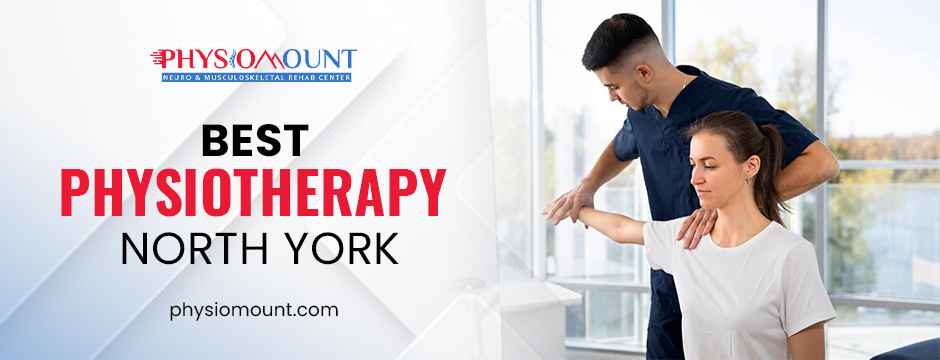
Physical independence strongly influences emotional well-being in older adults. The best physiotherapy North York supports both physical and mental health. As elders regain strength and stability, confidence grows. This encourages continued participation in physical and social activities, reducing isolation.
Fear of falling often limits activity more than physical weakness. Physiotherapy rebuilds trust in the body through controlled and safe exercises.
Improved mobility allows elders to stay socially active. Social interaction supports emotional health and reinforces independence.
Psychological benefits commonly include:
Every elder has unique physical needs and lifestyle goals. Physiotherapy at Bathurst Street prioritizes individualized care for sustainable results.
Physiotherapy is a powerful tool in helping elders maintain independence, confidence, and quality of life. Therefore, addressing strength, balance, pain, and mobility challenges, it supports safe and functional movement. Beyond physical benefits, physiotherapy enhances emotional well-being and reduces fear of dependency.
With personalized one-on-one care and consistent guidance, elders can remain active, engaged, and self-reliant. Therefore, investing in physiotherapy is not merely about managing ageing. It is about empowering older adults to live with dignity, confidence, and independence for as long as possible.
So, visit PhysioMount for the best consultations in Bathurst Street.