
From Pain to Progress: How Physiotherapy Scarborough Supports Recovery
- Fri Sep 11


A patient once walked into a clinic after months of recurring back pain. Each chiropractic adjustment brought temporary relief, yet the discomfort always returned within days. Frustration slowly built up, and the cycle felt endless.
This is a situation many people experience when dealing with musculoskeletal pain. The issue is not always the adjustment itself, but what happens after it. Tight muscles, restricted fascia, and unresolved soft-tissue tension often pull the body back into old patterns.
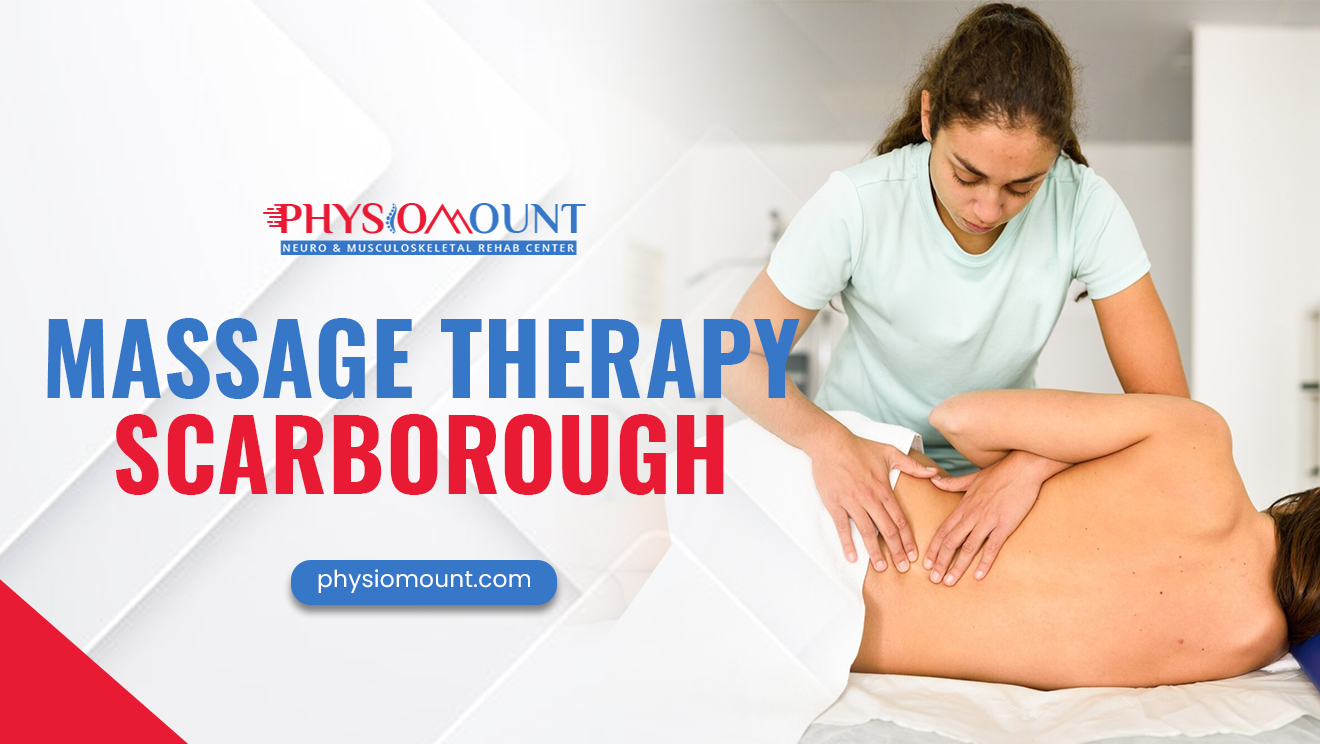
This is where properly understanding the role of massage in Scarborough becomes essential. At PhysioMount, the focus is not only on spinal alignment but also on restoring balance to the surrounding soft tissues that support it.
Without addressing these deeper layers, adjustments often struggle to hold their results long term.
Chiropractic adjustments help restore joint alignment and improve mobility. For many patients, this provides immediate relief and a sense of improved movement.
However, the body does not function in isolation. Muscles, ligaments, and fascia continuously influence spinal alignment.
When surrounding tissues remain tight or imbalanced, they gradually pull joints back into misalignment. This is why results may feel temporary for some individuals.
Understanding this connection is key to long-term recovery.
Soft tissue acts as the support system for the skeletal structure. Muscles stabilize joints, fascia connects movement chains, and ligaments maintain structural integrity.
When soft tissue becomes restricted, several issues can arise:
These imbalances often counteract chiropractic adjustments. Even if alignment is corrected, tight muscles may continue to pull the body back into dysfunctional positions.
This is where integrated care becomes important, combining adjustments with targeted soft-tissue therapy.
Imagine straightening a bent frame while elastic bands keep pulling it back into shape. The same principle applies to the human body.
Adjustments correct structure, but muscles determine stability.
When muscles remain tight:
This cycle often explains why some individuals feel temporary relief but experience recurring discomfort. A combined approach that includes massage therapy in Scarborough helps release these restrictions and supports long-term correction.
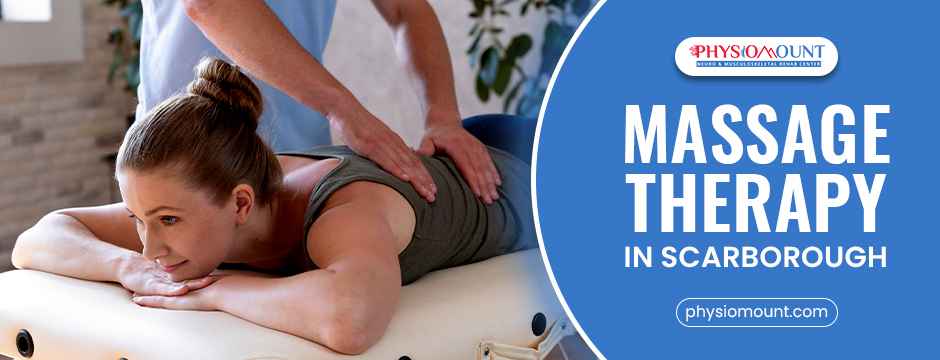
Soft-tissue therapy focuses on releasing muscular tension, improving circulation, and restoring functional movement patterns. So, when integrated with adjustments, it enhances overall treatment outcomes.
Relaxed muscles allow adjustments to settle more effectively. Without constant tension pulling joints out of place, alignment becomes more stable.
Soft-tissue work increases circulation, delivering oxygen and nutrients to affected areas. This supports natural recovery and reduces inflammation.
Tight muscles often force the body into compensatory movements. Releasing these restrictions helps restore natural biomechanics.
Many patients rely solely on spinal adjustments without addressing muscular imbalance. While adjustments are valuable, they are only one part of a larger system.
A more complete recovery approach includes:
This integrated model improves long-term results and reduces the likelihood of recurring pain.
People often search for massage therapy near me when discomfort returns, realizing that muscle tension plays a significant role in their symptoms.
Consider someone dealing with chronic neck and shoulder pain due to long working hours at a desk.
They receive chiropractic adjustments and feel immediate relief. However, within a week, stiffness returns. The reason is simple.
Tight trapezius and neck muscles continue to pull the spine out of alignment.
Once soft-tissue therapy is introduced alongside adjustments, the pattern changes. Muscles begin to relax, posture improves, and results last longer. This combined approach is the foundation of sustainable recovery.
Massage therapy is not just about relaxation. Therapeutic massage Scarborough. It plays a critical therapeutic role in musculoskeletal health.
When used as part of a recovery plan, it helps:
This is why professionals often recommend combining adjustments with massage therapy in Scarborough for better outcomes.
At PhysioMount, treatment is designed with a holistic perspective. The focus is not only on correcting alignment but also on restoring balance across the entire musculoskeletal system.
Experienced Registered Massage Therapists (RMTs) work alongside therapeutic chiropractic care to address both structural and soft-tissue components.
This integrated approach helps patients move beyond temporary relief and toward long-term stability. So, whether dealing with chronic pain, injury recovery, or daily stress, combining therapies creates a more complete healing experience.
Soft-tissue therapy enhances adjustment effectiveness in several ways:
When pain exists, muscles often tighten as a protective response. Releasing this guarding allows adjustments to hold better.
Posture is influenced heavily by muscle memory. Soft-tissue work helps retrain these patterns over time.
Massage therapy also calms the nervous system, reducing tension signals sent to muscles. This supports overall relaxation and alignment retention.
One-time sessions often provide temporary relief, but consistent care creates lasting change.
Regular integration of adjustments and soft-tissue therapy helps the body adapt gradually. Over time, muscles learn new patterns, and alignment becomes more stable.
This is why patients often notice better long-term improvement when both therapies are combined.
You may benefit from a combined approach if you experience:
In such cases, combining chiropractic care with massage in Scarborough can significantly improve results.
People often begin searching for “massage therapy near me” after realizing that pain is not just structural but also muscular.
This shift in understanding leads to more effective treatment choices. Instead of treating only symptoms, patients begin addressing root causes.
Soft-tissue therapy becomes a key part of that recovery journey.
Chiropractic adjustments play an important role in restoring alignment, but they rarely work alone for long-term stability. Without addressing muscular tension, the body often returns to its previous patterns.
Understanding the connection between joints and soft tissues explains why adjustments may not hold effectively on their own.
Integrating massage in Scarborough into a treatment plan ensures that both structure and muscle balance are addressed together.
At PhysioMount, our professional combined approach helps patients move beyond temporary relief toward lasting recovery. When muscles and alignment work together, the body finally has the support it needs to heal properly and stay balanced.