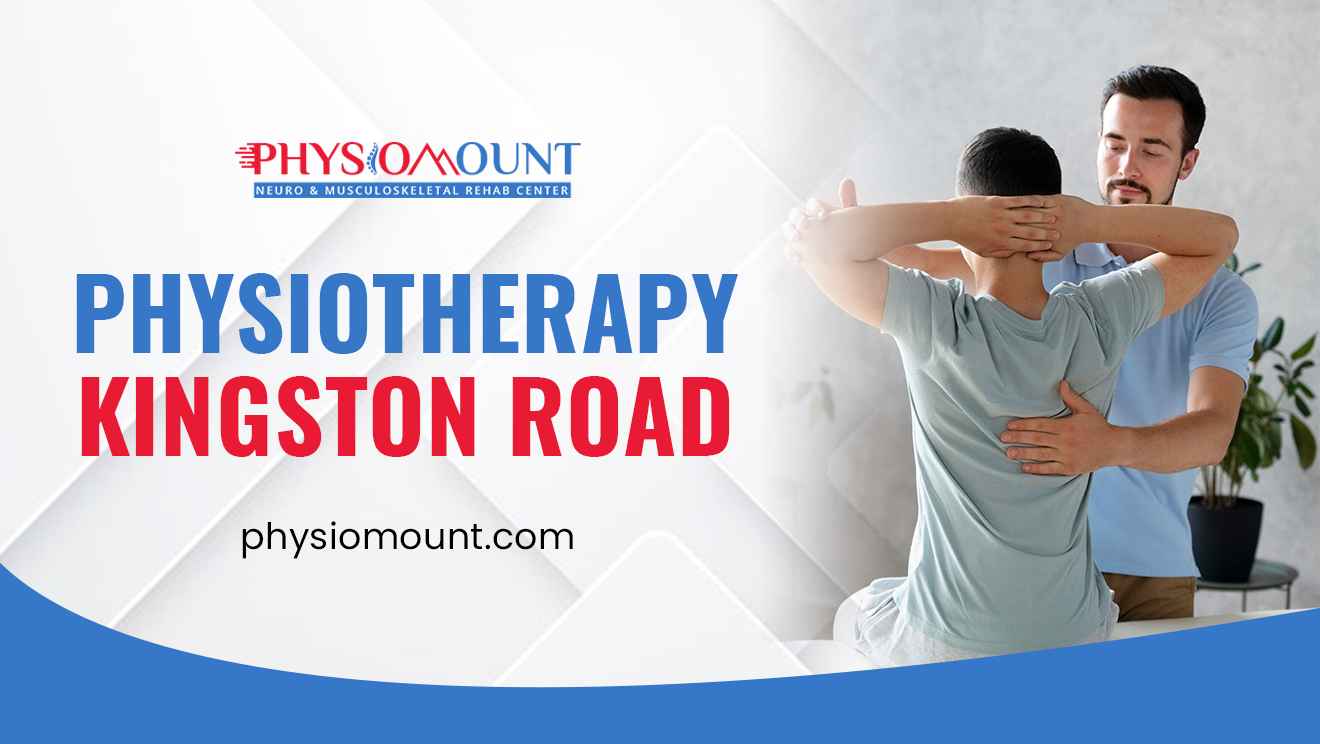
Don’t Wait for Pain to Get Worse: How Early Physiotherapy Protects Your Body and Builds Strength?
- Fri Mar 13


It could start from a small ache in the shoulder. Tightness in the lower back. Slight discomfort in the knee while climbing stairs. Many people ignore these early warning signs. Life feels busy, and the pain seems manageable at first.
However, minor discomfort often signals deeper musculoskeletal stress. When ignored, that small issue may gradually become chronic pain or serious injury.
This is where early physiotherapy Lawrence and Birchmount changes everything.
At PhysioMount, many individuals from Lawrence and Birchmount discover that timely physiotherapy prevents long-term damage and restores strength before conditions worsen. Instead of waiting until mobility declines, early care focuses on correcting movement patterns, reducing inflammation, and rebuilding stability.
Therefore, understanding how early physiotherapy works can help people protect their long-term physical health.
The human body constantly adapts to stress, posture, and repetitive movements. When muscles or joints face strain, the body begins compensating.
For example, a weak hip muscle may cause the lower back to work harder. A stiff ankle can alter walking mechanics and stress the knee joint.
Over time, these compensations lead to:
Early physiotherapy addresses these issues before they escalate.
Instead of treating severe symptoms later, physiotherapists identify the root cause of discomfort early. That proactive approach protects tissues, improves biomechanics, and reduces long-term complications.
Residents around Lawrence and Birchmount often benefit greatly from addressing symptoms during the early stages.
Ignoring pain rarely solves the underlying issue. The body simply learns to work around the problem.
Unfortunately, compensation often creates new injuries.
For example, untreated knee pain can gradually affect:
As time passes, the original injury may become harder to treat.
Delayed treatment can lead to:
At that stage, recovery requires longer rehabilitation periods. Early physiotherapy in Ellesmere and Markham significantly shortens recovery time and improves long-term outcomes.

Physiotherapy is not only for severe injuries. Many everyday conditions improve dramatically when treated early.
People living near Lawrence and Birchmount frequently seek physiotherapy support for issues such as:
Athletes and active individuals often experience minor strains, sprains, or muscle tightness. Early physiotherapy prevents these small injuries from becoming recurring problems.
Treatment improves flexibility, stability, and muscular control.
Modern lifestyles involve long hours of sitting and screen exposure. Poor posture gradually weakens key stabilizing muscles.
Early physiotherapy helps correct alignment and strengthens the core muscles that support healthy posture.
Shoulder, knee, and hip discomfort may begin subtly. Early physiotherapy reduces inflammation and restores joint mechanics before cartilage stress increases.
Repetitive movements at work can slowly damage muscles and tendons. Early intervention prevents chronic pain and supports safe movement patterns.
Many patients visiting experts at PhysioMount notice significant improvement once these conditions receive early attention.
Physiotherapy Lawrence and Birchmount works through a structured, evidence-based approach. Instead of masking symptoms, treatment focuses on restoring proper movement and strength.
Several therapeutic strategies make early physiotherapy highly effective.
Every physiotherapy journey begins with a detailed physical assessment. Our physiotherapists evaluate:
This evaluation identifies the underlying cause of pain, not just the symptom. Early diagnosis allows targeted treatment before structural damage progresses.
When an injury occurs, movement patterns often change unconsciously.
For instance, someone with ankle pain may shift weight incorrectly while walking. Over time, that altered movement stresses other joints.
Physiotherapy retrains the body to move correctly again. Therapists guide patients through corrective exercises that restore:
Correct movement prevents future injuries and protects long-term mobility.
Weak muscles often contribute to recurring injuries. Without adequate strength, joints lack proper support.
Early physiotherapy focuses on strengthening and stabilizing muscles around vulnerable joints.
Examples include:
Stronger muscles improve body mechanics and reduce injury risk.
Pain often develops because of inflammation in muscles, tendons, or joints. Our professionals for physiotherapy Lawrence and Birchmount use various techniques to reduce inflammation safely. These may include:
Pain reduction allows patients to move comfortably and regain confidence in daily activities.
Many people believe physiotherapy only helps during injury recovery. In reality, physiotherapy also builds long-term physical strength. So, when intervention happens early, therapy focuses on performance improvement rather than just pain relief.
Patients often experience:
This improved strength protects the body against future injuries. People who address physical issues early typically return to their activities faster and safer.
Physical discomfort often affects emotional well-being. Persistent pain can lead to frustration, reduced activity, and anxiety about movement.
Early physiotherapy prevents this cycle from developing. When pain improves quickly, individuals feel more confident staying active. Regular movement supports both physical and mental health.
Patients often report feeling empowered once they understand how their body moves and how to protect it. That confidence plays an important role in long-term recovery.
Many people wait until pain becomes severe before seeking professional care. However, early consultation is far more beneficial.
Consider physiotherapy if you experience:
Early attention prevents these symptoms from progressing. Residents around Lawrence and Birchmount often find that addressing symptoms early allows faster recovery and fewer complications.
Visiting a physiotherapy clinic for the first time may feel unfamiliar. However, the process is simple and supportive. During an initial consultation at PhysioMount, physiotherapists typically:
Based on this evaluation, a personalized treatment plan is created.
The treatment may include guided exercises, hands-on therapy, and education on proper movement habits. Each program is designed to help patients regain strength gradually and safely.
While professional treatment plays a major role, daily habits also influence recovery. Simple lifestyle adjustments can support physiotherapy results significantly.
Helpful habits include:
These practices reinforce the benefits of physiotherapy Lawrence and Birchmount and improve long-term outcomes.
The body often sends subtle signals before a serious injury occurs. Ignoring those signals may allow minor problems to develop into chronic conditions.
Early physiotherapy offers a smarter approach.
By addressing the root cause of pain early, individuals protect their joints, muscles, and overall mobility. At PhysioMount, patients from Lawrence and Birchmount frequently discover how early physiotherapy restores strength, improves movement, and prevents long-term damage.
Instead of waiting for discomfort to become severe, proactive care helps the body stay resilient and strong. When movement feels easier and strength returns, daily life becomes far more comfortable and enjoyable.