How Can A Physiotherapist Help You through Shockwave Therapy?
- Fri Oct 9

If you’re dealing with persistent neck pain, lower back stiffness, sports injuries, or nerve-related discomfort, you’ve probably wondered what actually works in modern physiotherapy Bathurst and Sheppard.
Should you focus on hands-on treatment? Do strengthening exercises really make a difference? What about machines and electrical therapy? Are they helpful or just optional extras?
At PhysioMount, serving the Bathurst and Sheppard community, rehabilitation is built on evidence-based physiotherapy. That means every treatment plan combines proven techniques tailored to your condition, goals, and lifestyle.
Let’s break down three advanced and highly effective rehab approaches: manual therapy, exercise therapy, and electrotherapy — what they are, how they work, and when they’re most beneficial.
Modern physiotherapy is not a one-size-fits-all solution. It’s a structured process that addresses:
Instead of masking symptoms, evidence-based rehabilitation targets the root cause of dysfunction. Whether you’re recovering from a sports injury, managing arthritis, or dealing with post-surgical rehab, the right combination of techniques matters.
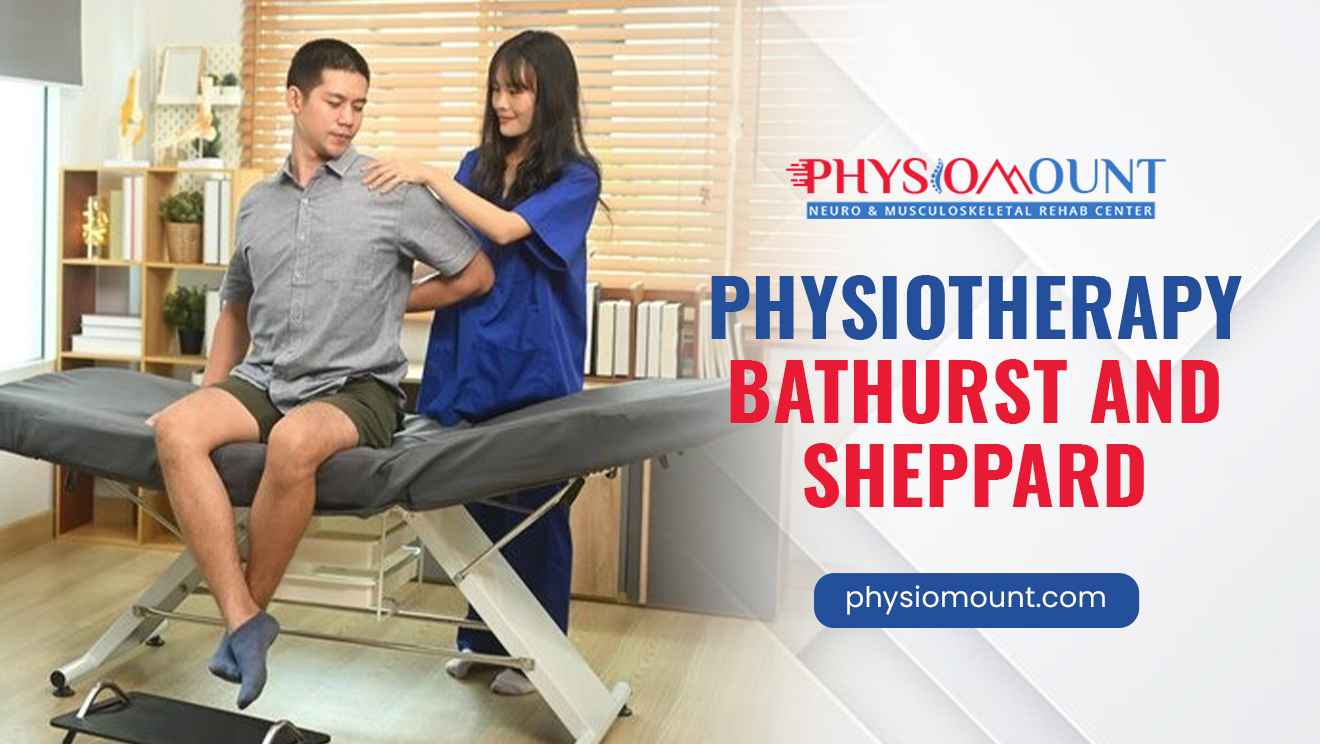
Manual therapy involves hands-on techniques performed by a trained physiotherapist. These methods aim to improve joint movement, reduce muscle tension, and relieve pain.
Manual therapy may involve:
Each technique regarding physiotherapy Bathurst and Wilson is selected based on your assessment findings.
Manual therapy works through mechanical and neurological effects.
Mechanically, it improves joint range of motion and reduces tissue tightness. Neurologically, it can calm overactive pain signals and improve how your nervous system interprets movement.
For example, if you’re experiencing shoulder stiffness after an injury, restricted joint movement may be contributing to pain. Hands-on mobilization can restore glide and reduce discomfort.
Manual therapy is especially helpful in:
However, it’s rarely a standalone solution. It works best when combined with corrective exercises to maintain improvements.
If manual therapy provides relief, exercise therapy builds resilience.
Exercise therapy is the structured use of movement to restore strength, flexibility, coordination, and endurance. It’s one of the most researched and validated methods in musculoskeletal rehabilitation.
Pain often develops due to weakness, poor movement patterns, or imbalances. Without correcting those issues, symptoms usually return.
Targeted exercises retrain your body to move efficiently and safely. Our professionals for physiotherapy Bathurst and Sheppard can help you in this regard.
A personalized rehab plan may include:
Each program is carefully progressed based on your condition and tolerance.
Exercise therapy is essential for:
For example, someone with recurring lower back pain often benefits from core stabilization and glute strengthening. Over time, stronger muscles reduce strain on spinal structures.
At PhysioMount, exercise therapy is never generic. It’s tailored to your goals — whether that’s returning to hockey, lifting your grandchildren, or sitting comfortably at work.
Electrotherapy uses controlled electrical energy to stimulate tissues, reduce pain, and promote healing. While it may sound technical, it’s a well-established rehabilitation tool backed by research.
Electrotherapy may include:
Each method serves a different purpose.
Electrotherapy can:
For instance, TENS therapy can interrupt pain signals travelling to the brain, providing relief during flare-ups. NMES can activate weakened muscles after surgery. So, visit an expert to know which physiotherapy Bathurst and Sheppard would be better for you.
Electrotherapy works well for:
It’s important to understand that electrotherapy is typically a supportive tool. It enhances recovery but does not replace active rehabilitation.
Many patients ask, “Which treatment is best?”
The truth is, the best outcomes often come from combining manual therapy, exercise therapy, and electrotherapy strategically.
Here’s how they complement each other:
For example, a patient with a rotator cuff injury may begin with manual therapy to restore shoulder mobility. Electrotherapy might reduce inflammation early on. Then progressive strengthening ensures lasting recovery.
This layered, evidence-based approach leads to sustainable improvement rather than temporary relief.
In modern rehabilitation, treatment decisions are guided by research, clinical expertise, and patient goals. In general, evidence-based physiotherapy ensures:
Instead of relying on outdated techniques or passive-only treatments, advanced rehab for physiotherapy Bathurst and Wilson integrates science-backed methods that evolve with current research.
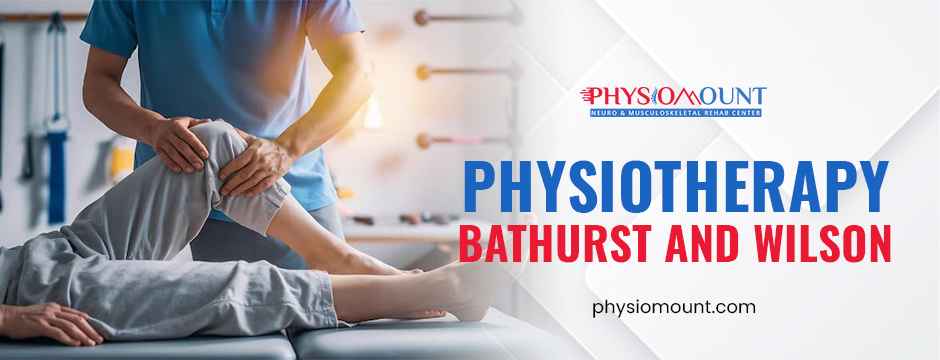
At PhysioMount near Bathurst and Sheppard, these approaches are commonly used to treat:
Whether your condition is recent or long-standing, modern rehab techniques can significantly improve function and quality of life.
Your first visit begins with a detailed assessment. This includes reviewing your medical history, evaluating movement patterns, testing strength, and identifying pain triggers.
From there, a personalized plan is developed. You’ll understand:
Education is a core part of rehabilitation. When you understand your condition, you feel more confident and empowered.
Pain can affect every part of daily life — work, sleep, hobbies, and family time. But recovery is possible with the right guidance. Modern physiotherapy Bathurst and Sheppard is not just about symptom relief. It’s about restoring movement, rebuilding strength, and preventing future setbacks. If you’re in or near Bathurst and Sheppard and looking for compassionate, evidence-based care, PhysioMount is here to support your recovery journey. It’s because when your body moves better, life feels better too.