
Persistent back or neck pain can affect your mobility, comfort, and daily activities. Spinal Decompression Therapy in Scarborough offers a non-surgical treatment approach that may help reduce pressure on spinal structures and manage discomfort.
At Physiomount, our experienced physiotherapists provide personalized rehabilitation for patients experiencing spinal and musculoskeletal conditions. Through our careful assessment and appropriate treatment techniques, we help you work toward improved mobility, strength, and functional independence.
Spinal decompression therapy is a non-surgical treatment that uses controlled stretching to reduce pressure on selected spinal structures. It may help manage symptoms associated with certain disc-related conditions and nerve irritation.
The spine consists of vertebrae, intervertebral discs, ligaments, and nerves. Injuries, disc degeneration, or structural changes can sometimes contribute to discomfort and restricted movement.
During treatment, a specialized electronic table applies controlled traction to the targeted spinal region. Decompression Therapy in Scarborough may help improve movement tolerance and reduce symptoms when incorporated into an appropriate rehabilitation plan.
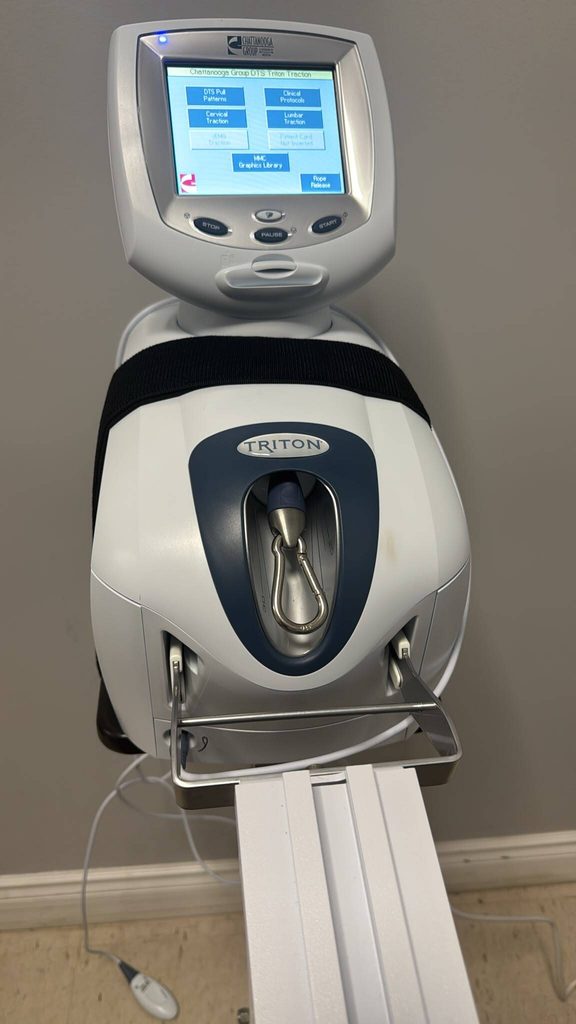
Spinal decompression may help manage discomfort associated with selected disc-related conditions and nerve irritation, making daily activities more comfortable.
Controlled traction may temporarily reduce pressure on targeted spinal structures, potentially helping relieve symptoms associated with certain forms of nerve compression.
Reducing discomfort may help patients move more comfortably and participate in therapeutic exercises and daily activities.
Spinal decompression may help manage symptoms associated with selected disc conditions, including certain herniated and degenerative discs.
Spinal Decompression Therapy in Scarborough offers a non-surgical option for managing selected spinal conditions before considering more invasive interventions.
Combining decompression with physiotherapy may help address movement restrictions, muscular weakness, and functional limitations.
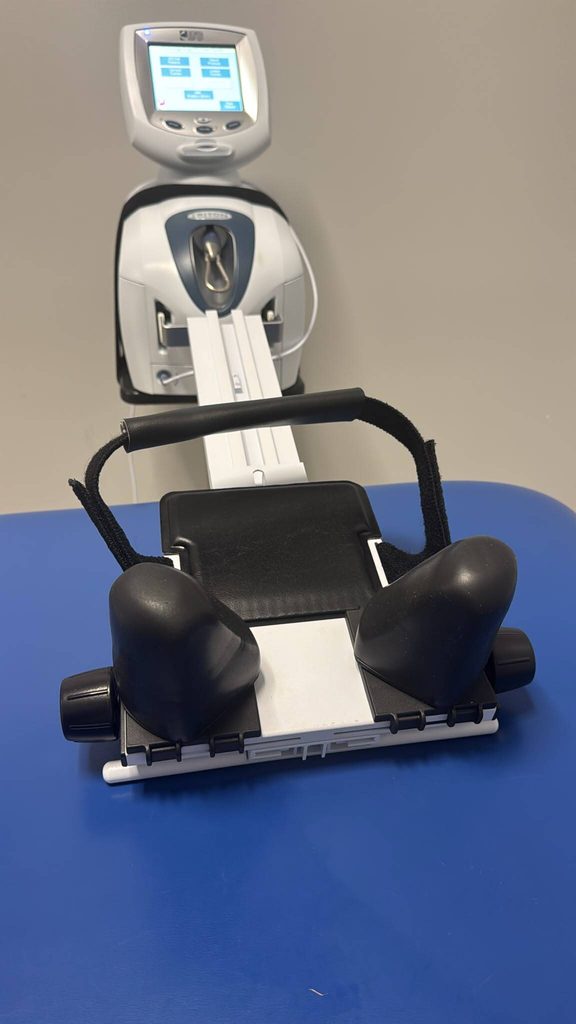
Spinal decompression uses controlled traction to apply a gentle stretching force to the targeted spinal region. A specialized treatment table regulates the applied force according to individual requirements.
The treatment may work through several mechanisms:
Traction therapy applies a controlled pulling force to selected body structures. Spinal decompression uses specialized traction techniques to target specific spinal regions.
Traction Therapy in Scarborough may be considered for selected spinal conditions involving discomfort, restricted movement, or nerve irritation.
At Physiomount, our physiotherapists determine whether traction-based treatment is appropriate through individual assessment and clinical judgment.
Different spinal regions have distinct anatomical structures and movement functions. Spinal Decompression Therapy in Scarborough may involve different approaches depending on the affected region and the patient’s clinical needs.
The cervical spine consists of seven vertebrae located in the neck. Disc-related changes or nerve irritation may contribute to neck pain, stiffness, and symptoms extending into the shoulders or arms.
Cervical Decompression Therapy in Scarborough may be considered for selected cervical conditions involving disc-related symptoms or nerve irritation. Treatment suitability depends on clinical findings and individual symptoms.
The center part of the back is made up of the thoracic spine, which joins the rib cage. Discomfort in this region may develop from muscular strain, joint restrictions, or certain spinal conditions.
Thoracic Decompression Therapy in Scarborough may be considered when assessment identifies suitable spinal or mobility-related concerns. Treatment focuses on the affected region and surrounding structures.
The lumbar spine consists of five vertebrae located in the lower back. Disc-related problems may sometimes contribute to lower back pain, radiating leg discomfort, tingling, or numbness.
Lumbar Decompression Therapy in Scarborough may help manage selected disc-related symptoms and nerve irritation. Treatment is personalized according to individual assessment and rehabilitation goals.
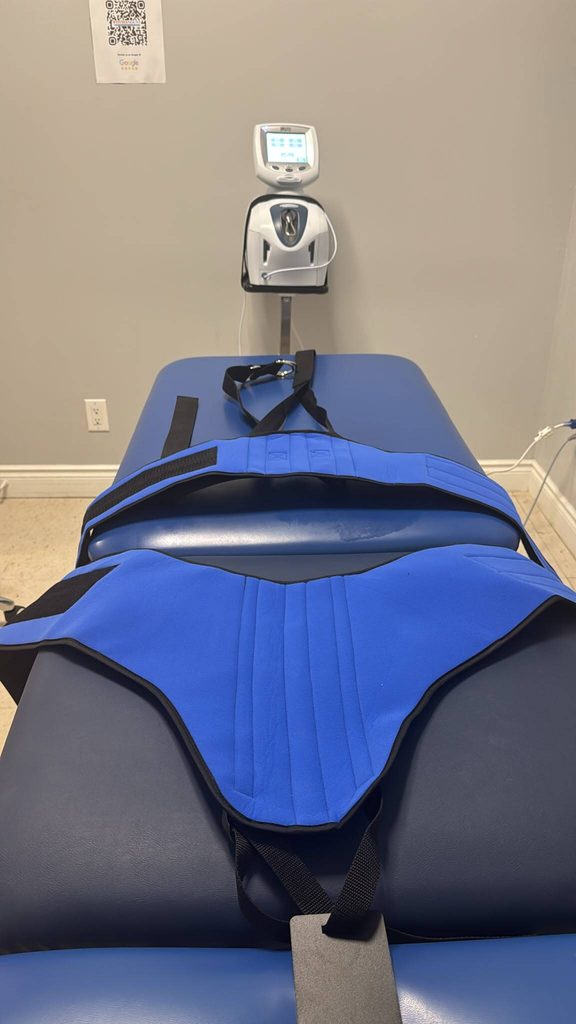
Spinal Decompression Therapy in Scarborough may be considered for selected conditions involving spinal discs, nerve irritation, or mechanical loading.
Common conditions that may warrant assessment include:
Not every condition responds to spinal decompression. A physiotherapist evaluates your symptoms and medical history before recommending treatment.
At Physiomount, Spinal Decompression Therapy in Scarborough begins with an individualized assessment to determine treatment suitability.
Session duration and frequency depend on your condition, treatment response, and individual rehabilitation needs.
Spinal decompression may help manage selected symptoms, but rehabilitation often requires a broader approach.
At Physiomount, treatment may include:
This integrated approach helps address functional limitations while supporting your individual recovery goals.
Persistent spinal discomfort can affect your mobility, work, and everyday routine. Finding appropriate treatment begins with understanding your symptoms and rehabilitation needs.
At Physiomount, our experienced physiotherapists provide personalized care for neurological and musculoskeletal conditions. We combine clinical assessment with appropriate treatment techniques to support your recovery.
If you are considering Spinal Decompression Therapy in Scarborough, contact Physiomount to discuss your symptoms and explore suitable treatment options.
Spinal decompression therapy uses controlled traction to create a gentle stretching effect on targeted spinal structures. It may help manage symptoms associated with selected disc-related conditions.
Spinal Decompression Therapy in Scarborough may be suitable for certain neck and back conditions involving disc-related symptoms or nerve irritation. A physiotherapist must assess your condition before recommending treatment.
The treatment applies controlled traction to the targeted spinal region. This may temporarily change spinal loading and help manage symptoms associated with selected conditions.
Cervical decompression targets the neck, thoracic decompression targets the middle back, and lumbar decompression targets the lower back.
The number of sessions depends on your condition, symptoms, and response to treatment. Your physiotherapist will recommend an individualized schedule.
Many patients experience a gentle stretching sensation during treatment. Your physiotherapist monitors your comfort and adjusts treatment when necessary.
It may help manage selected sciatica symptoms when spinal disc problems or nerve irritation contribute to discomfort.
Spinal decompression is a non-surgical treatment option for selected conditions. It is not a replacement when surgery is medically necessary.
Yes, it may be incorporated into a broader rehabilitation plan. Treatment may include therapeutic exercises, manual therapy, and movement education.
Contact Physiomount Physiotherapy in Scarborough to arrange an assessment and discuss whether spinal decompression may suit your rehabilitation needs.